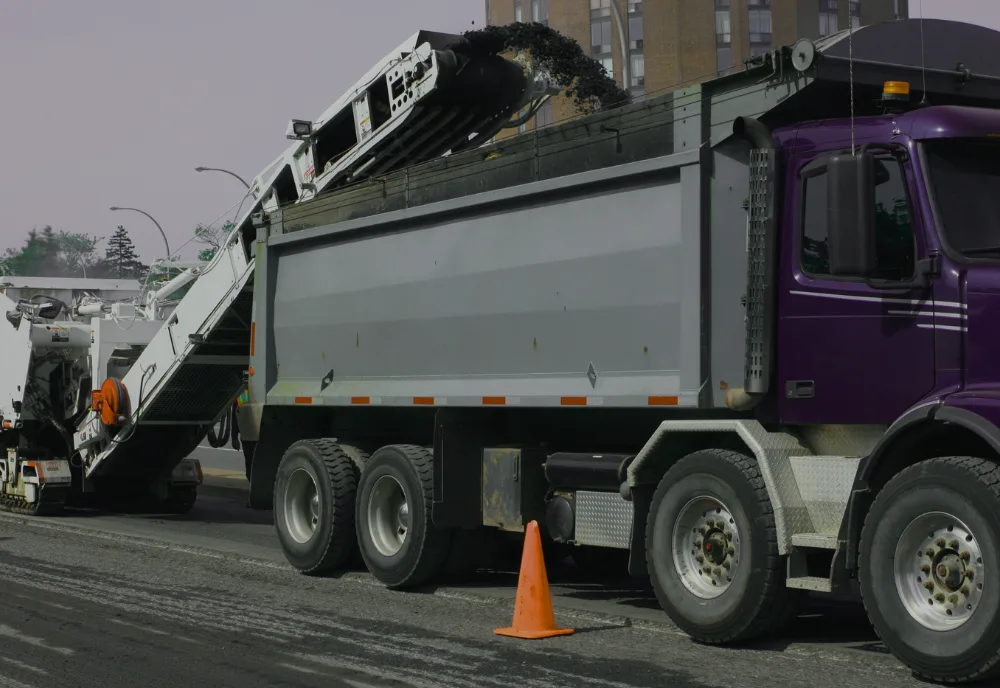
Public works hauling
Public Works Hauling Software for Roadwork, Debris and Material Delivery
Schedule hauling for street repair, debris removal and material delivery on one board, get every load ticket from the driver's phone, and keep trucks in service. Bulk Haul Software is dispatch software for city and county fleets and the contractors that haul for public works projects.
Scheduling and dispatch
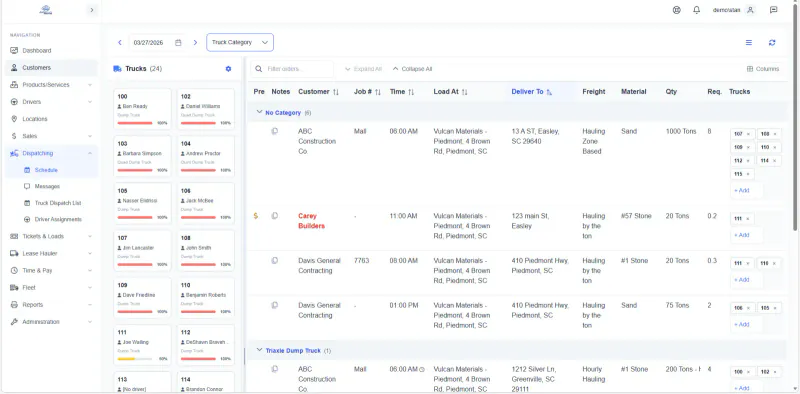
One Schedule for Every Department's Hauling Requests
Street maintenance, sanitation and capital projects all need trucks, often on the same day. Every order goes on one color-coded schedule, so dispatchers see which trucks are free before they pick up the phone.
- Each request records the material, where it loads and where it goes, plus the trucks needed
- Pull a group of trucks onto an emergency cleanup at once
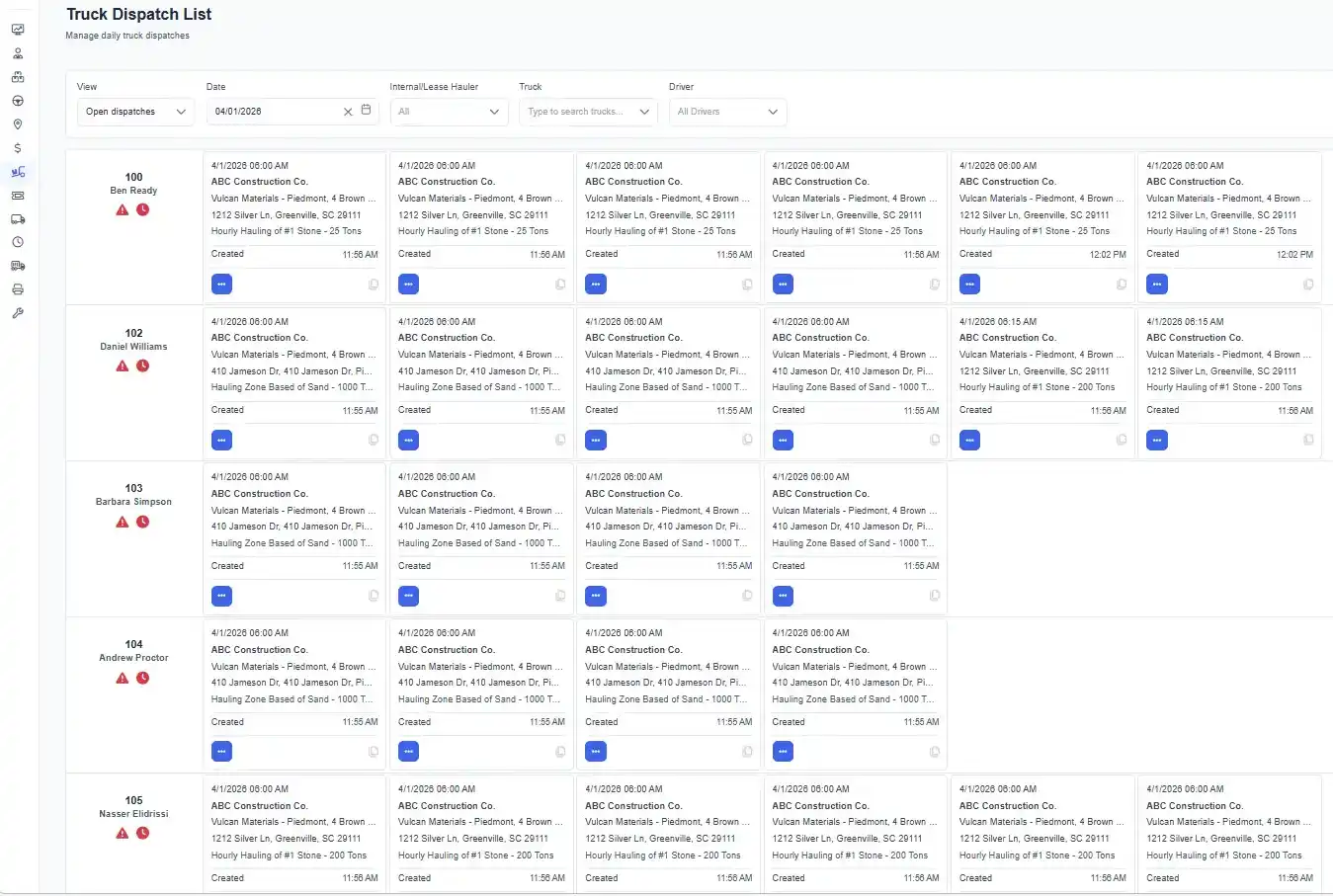
- Dispatches reach drivers' phones in one click
- Alerts on unacknowledged dispatches, late clock-ins and schedule conflicts
Tickets
Digital Load Tickets for Every Public Works Haul
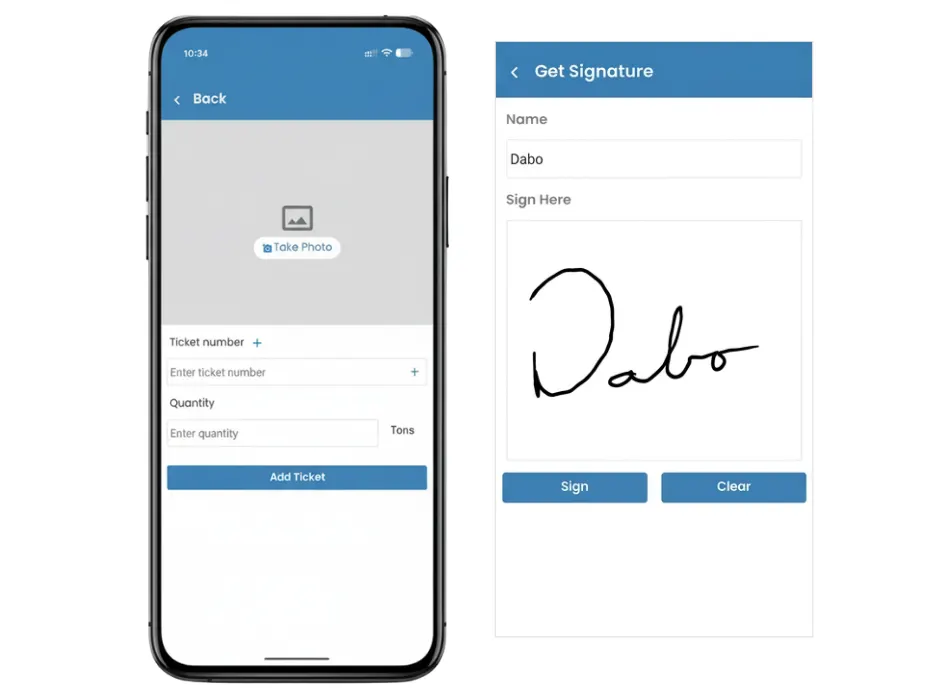
Paper load slips get lost, and public projects need a record of what was hauled, where and when. Drivers enter each load ticket on their phone, which gives the office a record of every haul.
- Ticket photos read by AI for the number and quantity
- Matching tickets are marked Verified, others Unverified for review
- Missing or duplicated load tickets called out
- Signatures collected where the material is dropped
Subcontractors
Subcontractors for Storm Cleanup and Seasonal Work
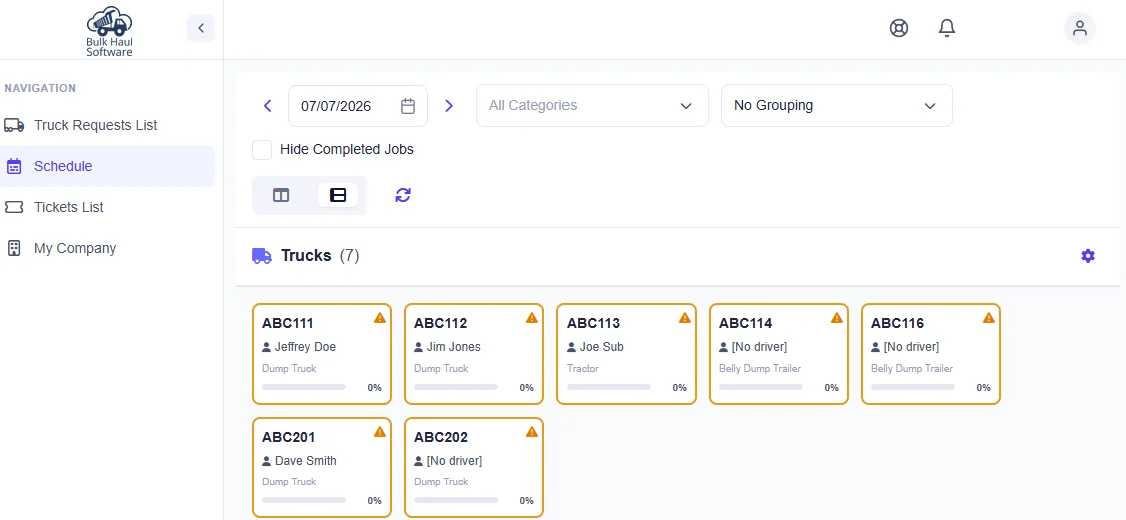
Public works projects often bring in subcontractors for extra hauling, debris removal or seasonal peaks. Their trucks share your schedule, so all the work is in one view.
- Sub trucks scheduled next to yours
- Subcontractors update their own trucks and drivers in their portal
- Their loads and tickets tracked without extra data entry
- Subcontractor pay statements on the Pro plan
Maintenance
Municipal Fleet Maintenance and DOT Compliance
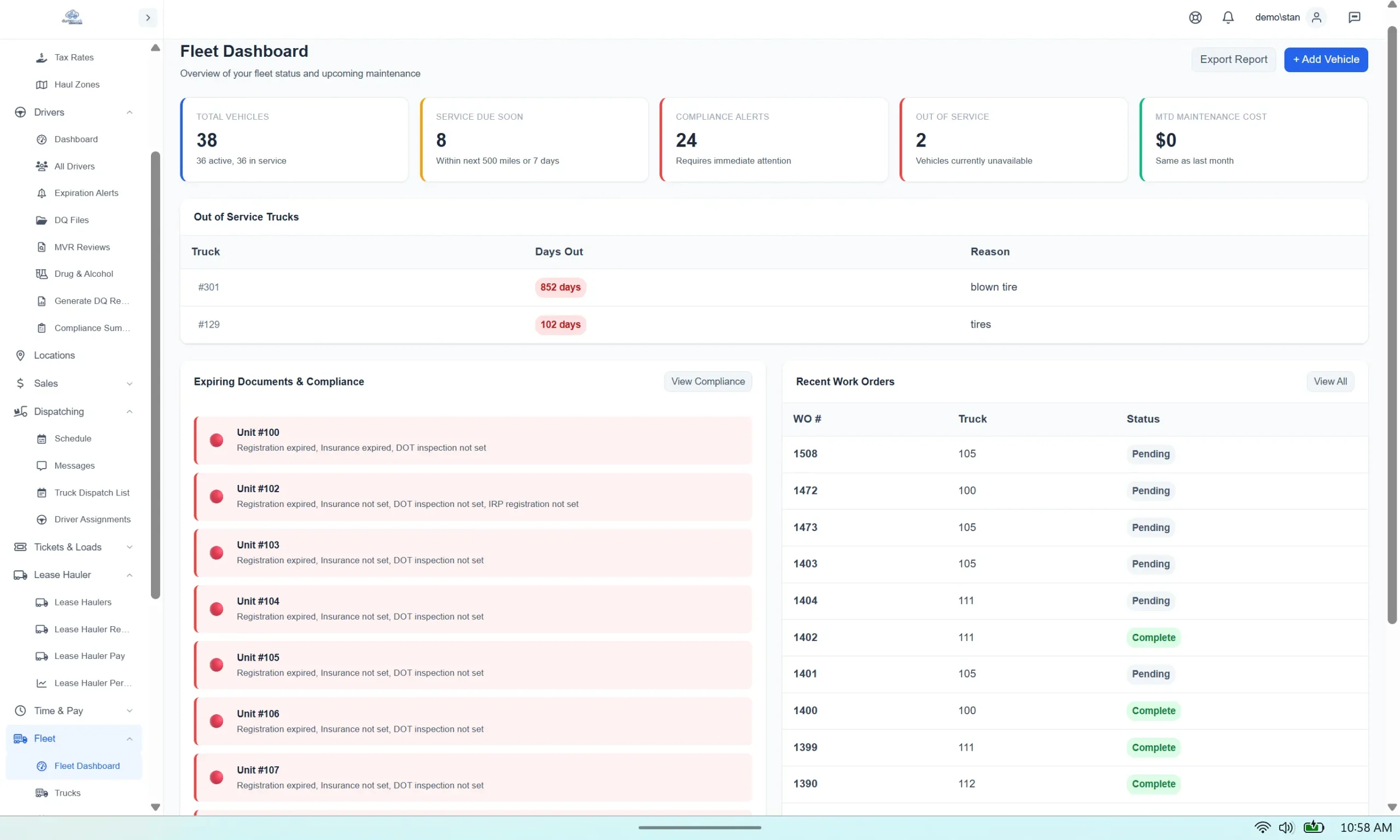
Public works trucks run year-round, from street repair to snow season, and a breakdown can hold up a project. With maintenance tracked where trucks are dispatched, the dispatcher can see a truck is due for service or broken down before sending it.
- Service reminders, work orders and a history for each truck
- DVIR defects routed to maintenance
- Severe defects mark the truck out of service
- Driver and truck DOT checks at the moment of dispatch
Software for Every Kind of Bulk Hauling
City and county hauling is one of the bulk hauling types these tools are built around.
Frequently Asked Questions
Yes. Public works hauling teams put roadwork, debris removal and material delivery on one schedule, send loads to drivers' phones, collect load tickets, and keep their trucks maintained and DOT compliant.
Yes. Requests from street maintenance, sanitation, utilities or a capital project each become orders on the same schedule, with their own pickup and delivery locations and the number and type of trucks needed. Dispatchers assign trucks across all of them without separate spreadsheets.
Set "Run until stopped" on the cleanup order. Another dispatch is created whenever one is completed, and that keeps going until the dispatcher or driver says the cleanup is done.
No. Text message dispatch comes with Pro and is a paid add-on for Basic and Standard. Drivers on the app also get directions, ticket photo capture, signatures and DVIRs.
Yes. In their own portal, subcontractors see your requests and their schedule and keep their trucks and drivers up to date. Their trucks are booked on your schedule, and the Pro plan builds their pay statements from their tickets.
Verified load tickets are invoiced for all customers in one pass, with fuel surcharge as separate lines or a single total. Each customer can download its invoices and tickets from the portal, and on Pro, invoices export to QuickBooks Desktop, QuickBooks Online or another accounting program.
For the trucks you dispatch, yes: preventive maintenance reminders, work orders, service history, DVIR defects, and driver and truck DOT compliance. It's hauling software first, so it's built around the trucks on your schedule rather than every vehicle a city owns.