The Winter Survival Guide for Dump Trucks: Finding Salting Jobs and Snow Hauling Work
We need to talk about something that’s probably costing you money right now: the “Winter Slump.” By late November, asphalt plants slow down, dirt sites freeze, and load alerts dry up. For many owner-operators and fleets, winter turns into parked trucks, light maintenance, and waiting for spring to come back around.
But here’s the thing, that idle truck is costing you thousands of dollars a month in insurance, taxes, and depreciation. Meanwhile, there is a multi-billion dollar industry that literally waits for the ground to freeze before it starts spending money. We’re talking about salting jobs, snow hauling, and emergency winter work.
If you think your dump truck is only for gravel and site prep, you’re missing the biggest seasonal pivot in the industry. But before you go out and chase the first blizzard, you need to understand the landscape.
Where the Jobs Are (And How to Actually Get Them)
Winter hauling does not come from random calls once the snow is already falling. Most seasonal hauling jobs are tied to contracts, vendor lists, and relationships that are set up well before winter hits. The work is there, but only if you know who controls it.
The Municipal On-Call List
Most cities, counties, and state agencies run their own trucks, but they rarely have enough equipment for large or back-to-back storms. When that happens, they rely on outside dump trucks pulled from approved on-call lists.
This work usually falls under public works hauling jobs. Rates are typically fixed by the municipality and paid hourly, from check-in to check-out. There is no bidding war once winter starts. You either accept the rate or you don’t.
Getting on these lists usually means:
registering as a hired equipment vendor
providing insurance and a W-9
meeting minimum truck size or tonnage requirements
Most lists are finalized by early fall. If a truck is not approved by then, it is usually waiting on overflow calls instead of steady winter work.
In most areas, approval starts with direct outreach. Operators typically call or visit the local Public Works or County Highway office in late summer to ask about hired equipment registration and on-call requirements.
Bulk Salt Stockpiling
Before roads are treated, salt has to be moved. Bulk salt arrives by ship or rail at regional terminals and then gets hauled to municipal domes and private yards. This is known as stockpiling.
Stockpiling is one of the more reliable forms of winter hauling because it does not depend on an active storm. Loads move during clear weather, often over several weeks, and volumes are high.
These jobs usually come from:
salt importers
regional suppliers
aggregate yards handling winter materials
Many of them rely on seasonal hauling jobs to handle volume spikes when shipments arrive.
This work is rarely advertised. Most operators secure stockpiling runs by contacting yard managers or logistics coordinators ahead of winter, often through suppliers they already haul for during the year.
The Snow Lift (Snow Hauling)
In dense areas, snow cannot stay where it falls. Downtown streets, parking garages, hospitals, and commercial districts quickly run out of space. Once plows clear the lanes, snow has to be hauled out.
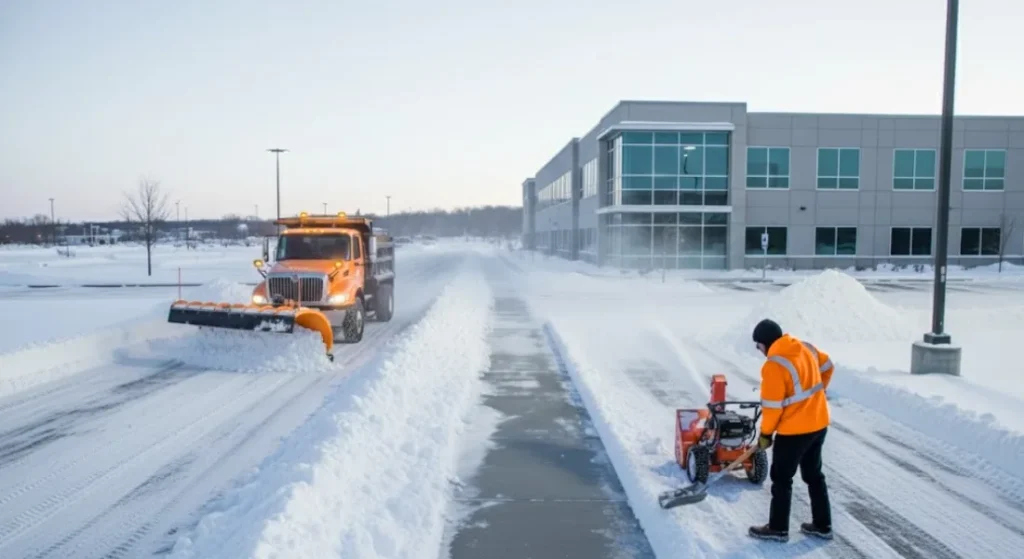
This is where snow work for dump trucks becomes critical. Trucks are staged behind loaders, filled, and sent to approved snow dumps or melting sites. This work often runs overnight and is paid hourly.
Because timing and coordination matter more than distance, crews that are used to dispatching winter hauling jobs tend to manage this work with fewer delays and less confusion when storms stretch on.
Snow hauling calls usually come from large snow contractors or property managers who already hold primary contracts. Dump trucks are added as subcontractors before winter and dispatched when snow storage becomes a problem during storms.
The Gear: Preparing Your Rig for the Freeze
Winter hauling exposes weaknesses fast. Trucks that roll straight from summer dirt work into salt and snow usually pay for it a few weeks later, often in the shop. Operators who handle winter hauling well tend to treat it as a seasonal changeover, not a last-minute adjustment. That prep matters even more when trucks are taking on salting jobs and other seasonal hauling jobs that involve corrosive materials and long idle time.
The Frozen Load Danger
Frozen loads are one of the most overlooked risks. Wet sand or salt can lock up quickly once temperatures drop, especially overnight.
When material sticks to the front of the box and the bed is raised, the weight stays high instead of sliding out. That sudden shift in balance is how trucks tip, even at low speeds and on flat ground.
Common ways operators reduce this risk include:
Bed liners to keep material from bonding to bare steel
Heated beds, often using exhaust diversion on older bodies
Bed vibrators to break material loose before dumping
These are not upgrades for comfort. They are safety measures that keep trucks upright during winter hauling.
Corrosion Protection
Salt does not just attack the body. It works its way into wiring, connectors, air lines, and brake components. This is where winter hauling quietly gets expensive if trucks are not protected.
Fluid Film or Undercoating: Before winter starts, get the truck on a lift and coat the underside with a lanolin-based protectant like Fluid Film. It stays greasy instead of drying hard, which helps block salt from reaching bare metal.
The Air System: Check the air dryer before the cold sets in. Moisture in the lines can freeze fast once temperatures drop. Swapping the air dryer cartridge in November helps avoid frozen brakes during storms.
Many of these problems show up later as unexpected repairs, which is why winter prep often ties back to the hidden operating costs fleets deal with when trucks are pushed hard in cold weather.
Winter Hauling Contracts and How You Actually Get Paid
Because we help companies manage their billing and dispatch, we see where the money gets lost. Winter contracts are a different animal than summer contracts.
Hourly (Time and Materials)
Hourly pay is the most common setup for municipal work and many public works hauling jobs. Trucks are paid a fixed rate per hour, usually starting at check-in and ending at release.
One detail that matters here is travel time. Some agencies count drive time to and from the yard. Others only pay once the truck is staged on site. If the salt dome or staging area is far from your yard, that unpaid travel can add up quickly during winter hauling.
Before accepting hourly work, it helps to confirm:
when the clock starts and stops
how standby or wait time is handled
whether travel is included or excluded
Per-Push or Per-Event Work
Per-push pricing is common in commercial snow and ice work. You are paid a flat amount each time you show up to salt, haul snow, or clear a site.
This structure can work during light storms, but it carries more risk when weather drags on or events stack up. Multiple returns to the same site in a single storm can turn a decent rate into low-paying hours if the contract isn’t written carefully.
Operators often protect themselves by making sure contracts include:
limits on how many visits are covered
separate rates for re-application
clear definitions of what counts as a new event
Seasonal Fixed Contracts
Seasonal contracts pay a flat amount to cover the entire winter. These deals look attractive early, but they are the hardest to predict.
If winter is mild, the math can work. If storms stack up, trucks can end up running nonstop while revenue stays capped. For that reason, many experienced operators only accept seasonal contracts when there is a clear event limit or an overage rate built in.
These agreements require careful tracking, which is why many fleets rely on accurate haul quotes and solid records to avoid disputes once the season is underway.
The Hidden Costs Behind Winter Work
Winter hauling keeps trucks busy, but it also brings costs that don’t always show up on the rate sheet. Cold weather, salt, and long hours take a toll on equipment and drivers, and those impacts add up fast if they are not planned ahead of time.
The Maintenance Wear You Can’t Ignore
Salt does more than coat the body panels. It works its way into sensors, light connections, brake components, and wiring. Over a full winter, parts wear faster and small issues stack up into bigger repairs.
That’s why many operators treat winter as a high-maintenance season. A common rule is simple: the truck gets an undercarriage of wash after every shift. If there’s no heated wash bay available, that cost still needs to be built into the job. Skipping it usually means paying later when corrosion catches up.
This is one of those areas where winter work quietly eats into margins, even when the trucks are running steadily.
The Liability Risk That Comes with Salting
In snow and ice work, documentation matters as much as the hauling itself. If someone slips weeks after a storm, the first question is whether your truck was there and what was done.
Without records, there’s no way to prove it.
Most operators keep a basic log that includes:
arrival time
air temperature
material applied
departure time
a photo of the site when work is done
That information is what protects you if a claim shows up later. Without it, a single slip-and-fall case can wipe out months of winter revenue. This is also where insurance coverage becomes critical, especially for operations taking on ice control or salting work that may fall outside standard hauling policies.
Winter also brings more roadside scrutiny. Lights get coated in slush, air lines freeze, and small issues become inspection problems quickly. Staying aligned with DOT requirements helps avoid violations that can pile on top of already tight winter schedules.
Using Marketplaces to Fill the Gaps
Even with winter work lined up, there are slow days. A city list fills up. Salt stockpiling pauses. A storm shifts away at the last minute. This is where marketplaces can help fill short gaps without locking trucks into long-term commitments.
These platforms are not a replacement for contracts or relationships. They work best as a backup when winter demand spikes unevenly or when primary haulers fall behind.
Where Marketplace Winter Work Usually Comes From
Most winter requests on bulk-focused platforms are tied to short-notice needs, such as:
emergency snow hauling after equipment breakdowns
last-minute salt runs when yards run low
overflow hauling during back-to-back storms
short overnight shifts when crews need extra trucks
Platforms like TRUX focus on dump truck and aggregate hauling and are often used during storm-driven work. BulkLoads.com supports a wider range of bulk freight, including winter materials, and is commonly used when operators want flexibility during slower periods. See how operators use load boards to find hauling jobs more effectively.
Being Ready Before Weather Hits
Marketplace work moves fast, especially during winter events. Trucks that get called are usually the ones already set up in the system.
Most operators make sure they have:
insurance and DOT details uploaded
truck information kept current
availability clearly marked
Because these jobs often involve short notice and changing conditions, clear coordination matters more than anything else. This is where managing subcontracted trucks and solid dispatch communication help prevent missed calls, double assignments, or confusion once work is underway.
Marketplaces won’t carry an entire winter, but when used carefully, they can keep trucks moving during unpredictable gaps.
Keep Trucks Moving Through Winter
Winter hauling works when it’s treated like its own operation, not an extension of summer work. Salting jobs and snow work for dump trucks reward the operators who line things up early, understand how the contracts work, and plan for the extra wear, downtime, and risk that come with winter conditions.
If you’re looking to keep trucks moving during slower months, the play is simple. Know where seasonal hauling jobs usually come from, prepare your equipment before the first storm, and be clear on how you’re getting paid before you roll. Do that, and winter hauling stops being a gamble and starts becoming a reliable part of your yearly operation.
If you want better control once winter work starts, Dump Truck Dispatcher helps keep snow and salt jobs organized in one place. Schedule a free demo to see if it fits how you manage winter hauling.
Time is lost in the gaps between loads. Not in big decisions, but in constant interruptions that never get tracked. In this article, you’ll see where those minutes go, why…
If you run trucks long enough, DOT inspections stop feeling rare. They become part of the job. What catches many fleets off guard is not the inspection itself, but the…
If trucks are running all day, but load counts still come up short, the issue is rarely effort or availability. More often, it comes down to hidden cycle time delays…