Most Common DOT Inspection Issues and How to Avoid Them
If you run trucks long enough, DOT inspections stop feeling rare. They become part of the job. What catches many fleets off guard is not the inspection itself, but the same DOT inspection issues showing up again and again. Brakes, tires, paperwork, small mechanical problems. None of them are new, yet they still lead to downtime and citations.
Most of these problems are not hard to identify. They come from rushed checks, missed follow-ups, or small vehicle inspection problems that are often put off until another day. Over time, those small misses stack up and turn into DOT violations that could have been avoided with consistency and good habits.
This guide will highlight compliance issues inspectors’ flag most frequently and explains how they usually start. The goal is simple: help you spot problems earlier, reduce repeat violations, and make inspections feel routine instead of disruptive.
What Is a DOT Inspection?
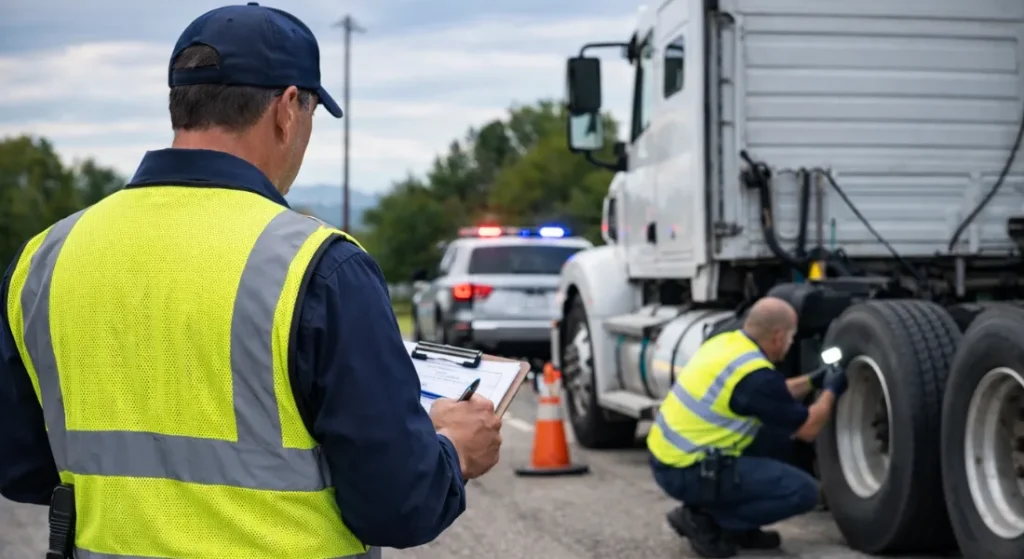
A DOT inspection is a roadside or facility inspection where an officer inspects a commercial truck, reviews driver qualifications, and confirms required records are properly kept and maintained. The goal is to spot safety risks and compliance gaps before they turn into breakdowns, repeat violations, or even an accident.
These inspections apply to most commercial motor vehicles, including dump trucks and other work trucks used for business. Weight limits, job type, and operating areas all matter. Local trucks are not exempt, and many DOT inspection issues show up during short-haul or jobsite runs where inspections feel less expected.
Some inspections are quick, focusing on licenses and basic vehicle conditions. Others go deeper into maintenance records and logs. Because inspectors follow a consistent process, many truck fleets rely on a DOT compliance checklist to stay organized and avoid missing required items.
Most Common DOT Inspection Issues
Most inspections don’t fail because of one major breakdown. They fail because of small, visible problems that inspectors see every day. These DOT compliance issues are easy to recognize and hard to excuse once a truck is on the shoulder.
Inspectors focus on parts of the truck that affect safety right away. If something looks worn, loose, leaking, or incomplete, it gets attention fast. As a result, truck inspections frequently reveal similar compliance issues among fleets regardless of their size.
1. Brake System Problems
Brake issues sit at the top of the list for a reason. Inspectors check brake condition early because worn or damaged components create immediate risk. Out-of-adjustment brakes, air leaks, cracked hoses, and excessive tire wear are common findings during roadside checks.
Most brake problems don’t start on inspection day. They build over time when repairs are delayed, or issues are noted but not addressed. Fleets that rely on vehicle maintenance tracking for inspection readiness are more likely to catch brake wear early and fix it before it turns into a violation.
2. Tire and Wheel Defects
Tire and wheel problems are easy for inspectors to spot and hard to argue once the truck is stopped. Because tread depth, pressure, and visible damage can be checked quickly, these remain some of the most common compliance issues found during an inspection.
Data from 2025 CVSA road check inspection results shows tire and wheel defects near the top of the list year after year, especially during large roadside enforcement events. The most common findings include:
Low tread depth, especially on steer tires
Underinflated or unevenly inflated tires
Mismatched tires on the same axle
Cracked wheels, loose lug nuts, or visible wheel damage
How to avoid these issues: Most tire violations come from missed basics. Daily pre-trip inspections, walkarounds, regular pressure checks, and reporting early signs of wear make a big difference. When drivers flag tire concerns before a run instead of after, repairs happen sooner and inspections become far less stressful.
3. Lighting and Reflector Issues
Lighting problems are some of the fastest ways to fail an inspection. Inspectors don’t need tools to find them, and once a light or reflector is clearly not working, there’s little room for discussion. These vehicle inspection problems often slip through because lights can fail between jobs or after rough site work.
The most common lighting and reflector issues include:
Burned-out headlights, brake lights, or turn signals
Cracked or missing light lenses
Missing or damaged reflectors
Lights covered by dirt, mud, or debris
How to avoid these issues: Lighting checks should be part of every walkaround, not just night runs. A quick check before leaving a site or yard helps catch failures early, especially after rough terrain, rain, or snow.
4. Suspension and Steering Problems
Suspension and steering issues don’t always stop a truck from running, but inspectors know they affect control and stability. That’s why these components get close attention during inspections.
Common suspension and steering inspection failures include:
Worn or loose tie rods
Cracked or broken leaf springs
Leaking or damaged shocks
Excessive play in steering components
How to avoid these issues: Drivers are usually the first to notice when something feels off. Pulling, vibration, clunking sounds, or uneven handling should be reported early. Addressing those signs quickly helps keep small wear issues from turning into roadside problems.
5. Fluid Leaks and Engine Concerns
Leaks grab attention quickly during an inspection. Even a small drip can turn into a citation if it looks active or neglected. These DOT inspection issues surface when minor problems are left unresolved across multiple days or jobs.
Common fluid and engine-related inspection findings include:
Oil, coolant, or fuel leaks
Wet or stained engine components
Loose hoses or worn fittings
Heavy buildup that makes leaks hard to confirm
How to avoid these issues: Leaks don’t fix themselves. When drivers report them early and maintenance follows through quickly, most never reach the roadside. Keeping engine areas clean also helps show whether a leak is new or already addressed.
6. Missing or Outdated Paperwork
Improper paperwork can result in a truck being placed out of service just as fast as with a mechanical issue. Inspectors expect documents to be current and easy to produce. When something is missing or expired, the inspection often ends early.
The most common paperwork issues include:
Expired medical cards or licenses
Missing inspection or maintenance records
Incomplete logs or supporting documents
Paper tickets that are lost, damaged, or unreadable
How to avoid these issues: Many paperwork problems come from delays and handoffs. Fleets that focus on reducing paperwork gaps that lead to inspection violations spend less time scrambling during inspections and more time keeping records complete and current.
7. Improper Load Securement
Improperly secured loads are easy for inspectors to spot. Straps, chains, and binders are checked quickly, and if something looks loose or worn, it usually turns into a citation. For dump trucks, uncovered loads and material spillage fall into the same category. These vehicle inspection problems show up often when loads are rushed or not rechecked after the first few miles.
The most common load securement issues include:
Loose or improperly tensioned straps or chains
Worn, damaged, or missing binders
Load movement marks or shifted material
Securement that does not match the type of load
How to avoid these issues: Securement should never be a one-and-done task. Rechecking loads after leaving the site, especially on uneven roads, helps catch problems early. When securement becomes a routine habit instead of a last step, DOT inspection issues tied to loads drop quickly.
Why These DOT Inspection Issues Keep Happening
Most DOT inspection issues don’t come from bad intentions or careless work. They show up when small details slip through the cracks. The repair is delayed. A note wasn’t passed along. A pattern goes unnoticed because each issue is handled on its own.
Over time, the same vehicle inspection problems keep coming back. The truck runs, so it stays in rotation. Paperwork exists, but it isn’t always easy to find. Nothing feels urgent until an inspector points it out on the side of the road.
Fleets that take a closer look at dispatch communication gaps tend to catch these patterns earlier. When information moves cleanly between drivers, dispatch, and the office, problems get fixed once instead of showing up again during the next inspection.
Tips to Reduce DOT Violations
Most violations don’t happen because people don’t care. They happen when routines drift; checks get rushed, or follow-ups fall behind. Reducing DOT violations usually comes down to steady habits, not more rules.
Complete pre-trip inspections. A consistent walkaround helps catch vehicle inspection problems early, before they turn into roadside issues.
Use digital tools instead of paper. Paper forms get lost or filled out late. Systems with built-in DOT requirement tracking make it easier to keep records current and ready when inspectors ask.
Train drivers regularly. Short refreshers help keep inspection expectations clear, even for experienced drivers.
Follow consistent maintenance schedules. Regular service keeps small wear issues from becoming inspection failures.
Review safety and inspection patterns. Looking back at past inspections helps spot repeat problems tied to certain trucks or habits.
Turning Daily Checks into Fewer DOT Inspection Issues
Most DOT inspection issues are not unexpected surprises. They come from small problems that were already there and never fully closed out. Missed walkarounds, delayed fixes, or paperwork that wasn’t kept current tend to show up at the worst time, during an inspection.
The main lesson is straightforward. Consistent daily checks reduce stress later. When drivers, dispatch, and the office follow the same routines, inspections become predictable instead of disruptive. Fixing repeat problems once matters more than reacting to each stop as it happens.
For teams that want more structure around daily operations and DOT-related tracking, Dump Truck Dispatcher helps keep trucks, records, and tasks organized in one place. If you want to see how it works in a real hauling setup, you can schedule a demo and walk through it quickly.
Time is lost in the gaps between loads. Not in big decisions, but in constant interruptions that never get tracked. In this article, you’ll see where those minutes go, why…
If you run trucks long enough, DOT inspections stop feeling rare. They become part of the job. What catches many fleets off guard is not the inspection itself, but the…
If trucks are running all day, but load counts still come up short, the issue is rarely effort or availability. More often, it comes down to hidden cycle time delays…